
Commercial EV Charging Stations

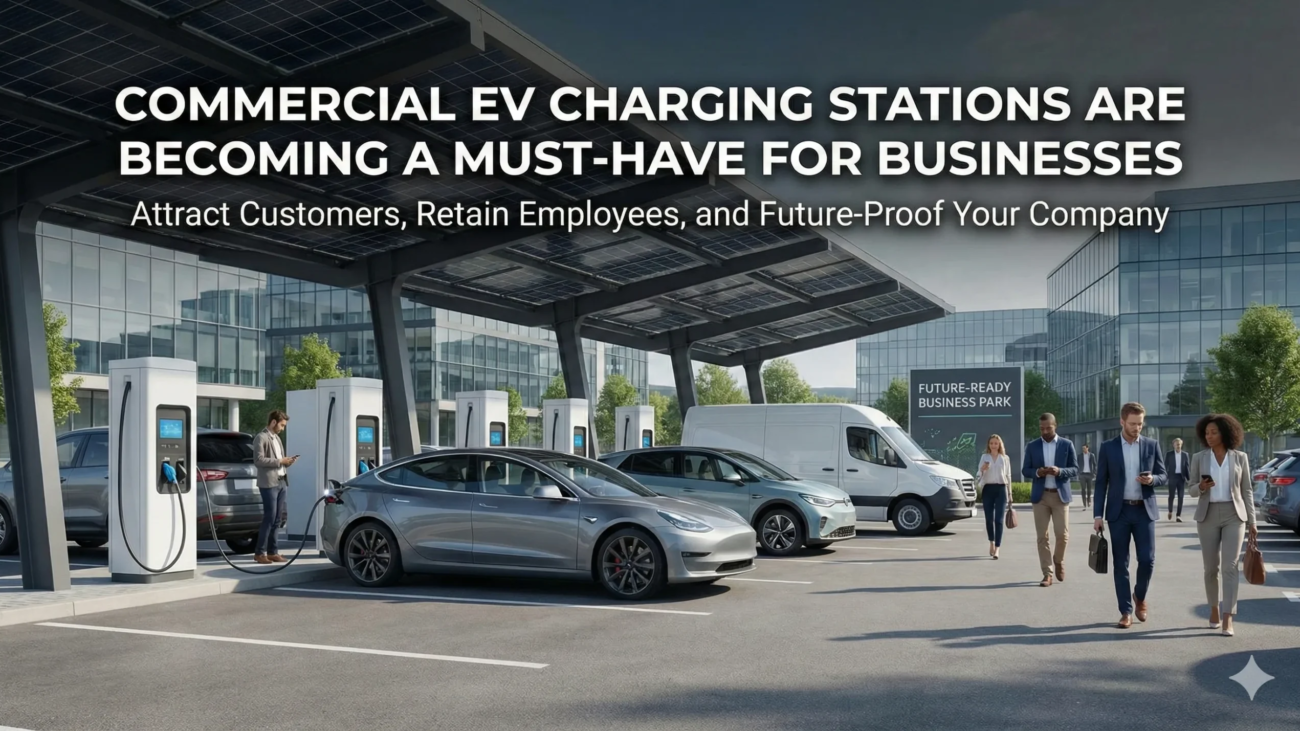
Why Commercial EV Charging Stations Are Becoming a Must-Have for Businesses in 2026

Key Takeaways:-

  • Commercial EV charging is shifting from a competitive advantage to a business necessity as electric vehicle adoption accelerates worldwide.
  • Installing charging infrastructure improves customer experience, employee satisfaction, and long-term property value simultaneously.
  • Early adoption helps businesses stay ahead of regulations, sustainability goals, and evolving consumer expectations.
  • Smart charging solutions allow companies to manage energy efficiently while generating new revenue opportunities.
  • Businesses investing now are better positioned for growth, resilience, and brand leadership in 2026 and beyond.
  • FAQs

The global transition toward electric mobility is no longer a distant forecast. It is a reality that is reshaping how businesses think about infrastructure, customer experience, and long-term growth. In 2026, companies are facing stronger pressure from consumers, governments, and market forces to adapt quickly. Among the most visible changes is the growing demand for on-site electric vehicle charging. Installing a commercial EV charging station is no longer viewed as a luxury feature. Instead, it is becoming a practical necessity for businesses that want to remain relevant, competitive, and future-ready in a rapidly evolving economy.

Acceleration of Electric Vehicle Adoption

Electric vehicle adoption has surged over the past few years, and the momentum shows no signs of slowing in 2026. More drivers are choosing electric cars because of lower operating costs, improved battery range, and expanding charging networks. As EV ownership becomes mainstream, drivers naturally expect charging access wherever they work, shop, or stay. Businesses that fail to recognize this shift risk falling behind. An EV charging station helps bridge the gap between growing demand and limited public infrastructure, ensuring that customers and employees are never left searching for power.

Changing Consumer Expectations in a Digital-First World

Modern consumers are more informed and selective than ever before. They actively seek out businesses that align with their lifestyle choices and values. Sustainability, convenience, and innovation now play a major role in purchasing decisions. When customers see charging stations at a commercial property, it sends a clear message that the business understands modern needs. Providing EV chargers for business locations improves dwell time, builds trust, and creates a positive brand impression. These subtle signals often influence where customers choose to spend their time and money.

EV Charging as a Competitive Business Advantage

In crowded markets, small advantages can make a significant difference. Businesses that invest early in EV charging infrastructure gain a clear edge over competitors who delay adoption. Charging stations attract EV-driving customers who may otherwise choose a different location. Over time, this translates into higher foot traffic and increased revenue opportunities. Installing EV chargers also positions a company as forward-thinking. This perception is especially valuable in industries where innovation and customer experience directly impact long-term success.

Role of Workplace Charging in Employee Retention

Employee expectations have evolved alongside consumer behavior. Many professionals now consider sustainability initiatives when evaluating employers. Offering on-site charging is a practical benefit that supports employees who drive electric vehicles. It reduces daily stress and commuting costs while reinforcing a company’s commitment to modern workplace standards. A well-planned EV charging station can improve employee satisfaction and retention. In 2026, businesses that prioritize practical benefits alongside competitive salaries are more likely to attract top talent in competitive labor markets.

Financial Incentives and Long-Term Cost Efficiency

One of the most compelling reasons businesses are adopting EV charging infrastructure is the improving financial outlook. Government incentives, tax credits, and utility rebates have reduced upfront installation costs in many regions. Beyond incentives, charging stations can generate long-term returns through usage fees, increased customer visits, and enhanced property value. When paired with smart energy management, EV charger locations can be operated efficiently without overwhelming electrical systems. Over time, the financial benefits often outweigh the initial investment.

Supporting Sustainability and Corporate Responsibility Goals

Environmental responsibility is no longer optional for modern businesses. Investors, partners, and customers increasingly evaluate companies based on their sustainability commitments. Installing EV charging stations directly supports emissions reduction and clean energy adoption. A commercial EV charging station demonstrates measurable action rather than empty promises. In 2026, transparency matters. Businesses that integrate visible sustainability solutions into their operations strengthen credibility and align themselves with global climate goals, which can improve public perception and long-term brand value.

Preparing Commercial Properties for the Future

Commercial properties are transforming as mobility needs change. Parking lots and garages are no longer static spaces. They are becoming active service areas that support new technologies. Property owners who invest in EV charging today are future-proofing their assets. As EV adoption continues to rise, properties without charging access may lose appeal. Installing EV chargers for properties ensures long-term relevance and adaptability, protecting investments against shifting market expectations and regulatory changes.

Integration with Smart Energy and Technology Systems

Modern EV charging solutions are designed to integrate seamlessly with existing energy and management systems. Smart chargers allow businesses to monitor usage, manage load balancing, and optimize energy consumption. This level of control is especially important as electricity demand grows. A well-integrated EV charging station supports operational efficiency while minimizing strain on infrastructure. In 2026, businesses that adopt smart solutions gain better visibility into energy usage and can make informed decisions that support growth.

Strengthening Brand Image Through Visible Innovation

Brand perception is shaped by visible actions, not marketing slogans alone. EV charging stations are highly visible symbols of innovation and responsibility. Customers notice them immediately, and the message is clear. Businesses that install EV chargers for business environments signal that they are invested in progress. This perception builds trust and loyalty over time. In competitive industries, a strong brand image supported by tangible initiatives often influences customer choice more than traditional advertising.

Meeting Regulatory and Policy Expectations

Governments worldwide are introducing stricter regulations to support electric mobility. Building codes, zoning requirements, and sustainability mandates are increasingly favoring EV-ready infrastructure. Businesses that act early avoid rushed compliance later. A commercial charging station helps organizations stay ahead of regulatory changes while demonstrating proactive planning. In 2026, compliance is not just about avoiding penalties. It is about positioning a business as responsible and aligned with broader societal goals.

Enhancing Customer Experience Across Industries

From retail centers to hotels and office complexes, EV charging enhances the overall customer experience. Drivers appreciate the convenience of charging while they shop, dine, or work. This added value encourages longer visits and repeat business. Installing EV chargers for use creates a seamless experience that aligns with modern lifestyles. In an era where experience often outweighs price, small conveniences can have a lasting impact on customer loyalty and satisfaction.

FAQs

Why are commercial EV charging stations important for businesses in 2026?

They meet rising EV demand, attract modern customers, support employees, and help businesses stay competitive while aligning with sustainability and regulatory expectations.

Do commercial EV charging stations increase business revenue?

Yes, they can increase foot traffic, dwell time, repeat visits, and property value while creating opportunities for direct or indirect revenue generation.

Are EV charging stations expensive to install for businesses?

Costs vary, but incentives, tax credits, and long-term operational benefits often offset initial expenses significantly.

Which businesses benefit most from EV charging stations?

Retail centers, offices, hotels, healthcare facilities, and mixed-use properties benefit the most due to frequent and extended visitor parking.

By 2026, commercial EV charging will no longer be an optional upgrade. It is a strategic necessity driven by consumer demand, employee expectations, financial incentives, and regulatory pressure. Install reliable EV charging stations with Zeus Super Stations and future-proof your business with expert design, installation, and ongoing support. Contact them today via email or call 778-347-3331 for expert consultation, fast installation, and long-term support.
commercial ev charger

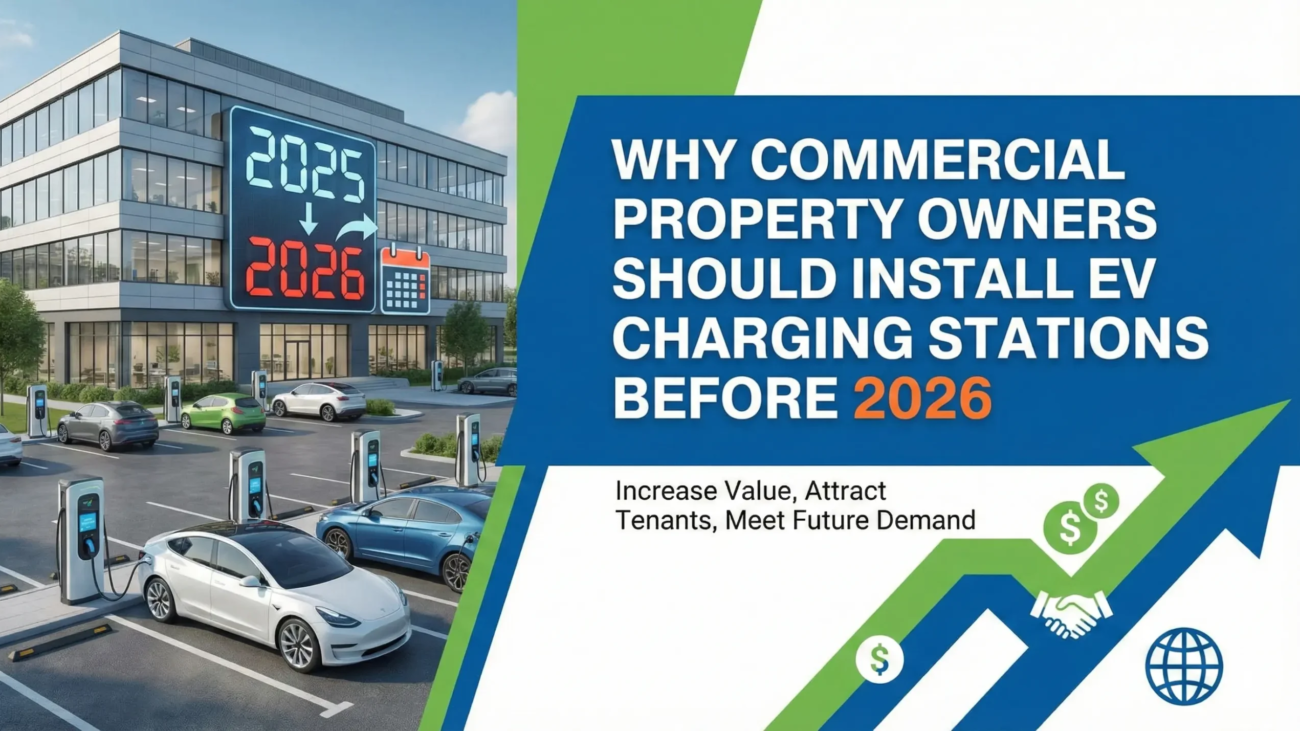
Why Commercial Property Owners Should Install EV Charging Stations Before 2026

Key Takeaways:-

  • Installing EV chargers before 2026 increases property value and boosts competitiveness.
  • Early adopters gain financial incentives and long-term savings.
  • EV chargers attract more tenants and customers.
  • Properties with charging stations stand out in the market.
  • Preparing now helps future-proof commercial spaces.
  • FAQs

The commercial real estate market is changing quickly, and property owners looking to stay ahead are exploring ways to boost value, attract tenants, and prepare for the future. Installing electric vehicle charging stations has become one of the most effective upgrades, especially as EV adoption grows and demand for charging access rises. Acting before 2026 gives owners a strong competitive edge while incentives and market opportunities are still available. With governments offering support and consumers choosing EVs in record numbers, charging access will soon shift from a luxury to an expectation, making early adoption a smart, strategic move.

How EV Growth Is Shaping Commercial Properties

Electric vehicle adoption is accelerating year after year. Automakers are phasing out gasoline models, and EVs are becoming more affordable for everyday consumers. This shift means that more drivers will be relying on commercial locations to power their vehicles during work, shopping trips, and long-distance travel. Commercial properties that provide charging access will naturally attract these customers, tenants, and visitors.


When businesses analyze what draws people to certain locations, convenience consistently ranks at the top. Drivers who need to recharge will choose destinations that support their lifestyle. If a property owner installs a commercial EV charging station, they create a new reason for drivers to visit and stay on-site longer. This added convenience translates directly into increased visibility for tenants and higher overall property usage.

Financial Benefits of Early Installation

Installing EV charging stations before 2026 also positions commercial property owners to take advantage of multiple financial incentives that may not be available in the future. Governments at the state and federal levels are currently offering attractive rebates, tax credits, and grants to encourage commercial electrification. These incentives can significantly reduce the upfront cost of installing a commercial EV charging station, making the investment much more affordable than many owners initially expect.


Beyond government programs, early adopters experience stronger long-term financial gains because they become preferred destinations for EV drivers. Properties with charging stations often see an increase in customer traffic, longer dwell times, and improved tenant satisfaction. These benefits can lead to higher lease values, reduced vacancies, and stronger tenant retention. Property owners who wait until 2026 or later may find themselves installing stations at full cost while competing with others who already have established charging infrastructure.

Preparing for Future Regulations and Market Expectations

The momentum toward electric transportation is not slowing down, and many regions are already exploring legislation that encourages or mandates EV readiness for commercial buildings. While regulations vary by location, trends clearly show a move toward requiring new commercial developments, and even existing properties, to support EV charging in the coming years. Property owners who wait may find themselves forced to install infrastructure under tighter deadlines and potentially higher costs.


Choosing to install a commercial EV charger ahead of regulatory changes gives owners more flexibility in planning, budgeting, and selecting equipment. Instead of rushing to comply with new rules, early adopters can take the time to design a system that aligns with long-term property goals and tenant needs. This proactive approach reduces disruption and creates an opportunity to showcase the property as forward-thinking and environmentally responsible.

Attracting High-Value Tenants and Customers

Today’s consumers and businesses are more sustainability-focused than ever. Tenants in office buildings, retail centers, and mixed-use developments appreciate properties that support green initiatives and reduce carbon emissions. Installing EV charging infrastructure is a simple yet powerful way to demonstrate environmental commitment.


When customers visit locations that offer charging, they are more likely to stay longer and spend more money. Tenants appreciate this extended engagement because it directly contributes to their revenue. As a result, properties equipped with EV charging stations often have an easier time attracting high-value tenants, especially those in industries that prioritize sustainability.


For hotels, entertainment venues, and restaurants, the presence of a commercial EV charger can influence whether customers choose their location over a competitor. EV drivers naturally seek destinations that accommodate their charging needs, and businesses that can offer this convenience stand out from the competition.

Enhancing Property Value Through Modern Infrastructure

One of the strongest reasons to install EV charging stations before 2026 is the direct impact they have on property value. Modern amenities play a major role in determining how attractive a property is to tenants, investors, and future buyers. EV charging is quickly becoming one of the most sought-after amenities in commercial real estate.


Because charging stations serve both current and future transportation trends, they help ensure a property stays relevant even as the market evolves. Owners who invest early demonstrate to investors and buyers that the property has been modernized and prepared for long-term growth. This perception alone can significantly increase resale value.


Additionally, installing a commercial EV charging station increases the functional capabilities of a property. Large retail centers, office buildings, hotels, and residential complexes all benefit from the versatility that EV charging infrastructure provides. As demand grows, properties without charging access may be viewed as outdated or less appealing, making early installation a strategic move that protects long-term value.

Reducing Operational Costs with Energy Management Technology

A major concern for many commercial property owners is the potential increase in energy costs associated with EV charging. Fortunately, modern charging technology is designed with advanced power management features that help reduce operational expenses. Smart chargers can balance load distribution, optimize energy usage, and even integrate with renewable energy sources.


By installing a commercial EV charger before 2026, property owners can take advantage of rapidly advancing technology that makes energy management more efficient and cost-effective. These systems can help lower utility bills, reduce grid strain, and ensure that a property remains energy-efficient while supporting the needs of EV drivers.

Staying Ahead of Competitors in a Growing Market

The commercial real estate market is highly competitive, and tenants are paying close attention to which properties offer modern amenities that accommodate today’s lifestyles. Properties with EV charging stations are increasingly viewed as premium locations that meet the expectations of forward-thinking businesses and consumers.


Owners who install EV charging stations early gain a significant advantage over competitors who delay the upgrade. By 2026, many properties will have adopted EV charging as a standard offering, but early adopters will have already built customer loyalty, established usage patterns, and positioned their property as a preferred destination.


This early competitive advantage is especially valuable for properties in high-traffic areas where customers have numerous choices. A simple amenity like EV charging can be the deciding factor that drives more visitors to one location instead of another.

Future-Proofing the Property for Long-Term Success

Commercial property ownership requires long-term planning, and EV infrastructure is one of the most future-oriented investments available today. The world is moving toward electrification at a rapid pace, and even property owners who do not currently see high EV usage in their area will likely see demand increase in the near future.


Installing charging stations before 2026 ensures that a property is prepared to meet future needs without requiring major renovations later. Early installation also allows property owners to expand their charging capabilities over time. Starting with a few stations creates a strong foundation for adding more chargers or upgrading equipment as technology evolves.


By taking this step, commercial property owners demonstrate that they are committed to long-term growth and ready to embrace future trends rather than reacting to them. This proactive approach reflects well on both the property and the businesses that operate within it.

FAQs

Why should commercial property owners install EV chargers before 2026?

Installing early allows owners to secure incentives, attract tenants, and stay ahead of growing EV demand while avoiding higher installation costs later.


Do EV charging stations increase property value?

Yes, they make properties more attractive to tenants, buyers, and customers, directly improving long-term value.


Are there financial incentives available for installation?

Many regions offer rebates, tax credits, and grants that significantly reduce installation costs, making early adoption more affordable.


Will EV charging become a required commercial amenity?

Trends indicate that many areas may mandate EV infrastructure in the coming years, making early preparation a smart strategic choice.

The transition to electric vehicles is accelerating, and the expectations of tenants, customers, and investors are evolving just as quickly. Future-proof your property, attract premium tenants, and boost value today. Install EV chargers now and stay ahead before regulations and competition catch up. Contact Zeus Super Stations today via email or call 778-347-3331 for expert consultation, fast installation, and long-term support.
Commercial Property Owners

Why Commercial Property Owners Are Investing in EV Charging Stations

Key Takeaways:-

  • EV chargers boost property value, tenant satisfaction, and customer attraction.
  • Sustainable infrastructure helps meet ESG goals and enhances reputation.
  • Government incentives lower installation costs and increase ROI.
  • Smart charging optimizes energy efficiency and cost savings.
  • Early adoption ensures long-term competitiveness and compliance.
  • FAQs

The shift toward sustainable transportation is no longer a distant future—it’s happening now. Electric vehicles (EVs) are quickly becoming the preferred mode of transport for individuals, businesses, and even government agencies. With this growing adoption, the demand for commercial EV charging stations has surged, transforming them from a niche amenity into a crucial infrastructure asset. For commercial property owners, investing in EV chargers isn’t just an environmental gesture—it’s a strategic move that enhances property value, attracts tenants, and ensures long-term profitability.

Growing Popularity of Electric Vehicles

Electric vehicle adoption has accelerated faster than anyone anticipated. Governments are introducing incentives to encourage EV purchases, automakers are expanding their EV lineups, and consumers are becoming more environmentally conscious. This rapid shift is increasing the need for accessible and reliable charging infrastructure. Commercial property owners are ideally positioned to meet this need by integrating EV charging solutions for commercial properties into their buildings, parking lots, and shopping centers.

As more people transition to EVs, the demand for convenient charging options near workplaces, retail hubs, and apartment complexes is skyrocketing. Property owners who act now are gaining a competitive edge by catering to this fast-growing market segment.

Enhancing Property Value and Market Appeal

For many property owners, one of the most compelling reasons to invest in EV charging stations is the direct impact on property value. Commercial spaces equipped with charging infrastructure are more attractive to potential tenants and buyers. They symbolize innovation, sustainability, and long-term thinking—qualities that modern consumers and businesses look for.

Installing EV charging solutions for commercial properties can elevate a property’s reputation and desirability. Tenants are increasingly interested in buildings that align with their corporate sustainability goals. Whether it’s a shopping mall, office complex, or multi-unit residential property, EV chargers add a premium factor that differentiates one property from another.

Studies have shown that properties featuring commercial EV charging stations often experience higher occupancy rates and longer lease durations. Tenants appreciate the added convenience and are willing to pay more for access to modern, green amenities.

Meeting Sustainability Goals and ESG Standards

Environmental, Social, and Governance (ESG) initiatives are now key factors influencing investment decisions. Property owners and developers are being evaluated not only by their financial performance but also by their sustainability commitments. Installing EV charging solutions for commercial properties directly supports these ESG objectives.

By offering EV chargers, property owners demonstrate a tangible commitment to reducing carbon emissions and supporting clean energy initiatives. This proactive approach not only improves the property’s sustainability profile but also attracts eco-conscious tenants and investors who prioritize green portfolios. In today’s market, sustainability is not just an ethical choice—it’s a business strategy.

Increasing Tenant and Customer Attraction

The modern tenant expects more than just space—they want amenities that enhance convenience and sustainability. For office buildings, retail centers, and mixed-use developments, offering commercial EV charging stations is becoming a necessity rather than a luxury. Tenants with EV-driving employees or customers value locations where charging is readily available.

In retail and hospitality sectors, charging stations also serve as magnets for customers. Shoppers and visitors are likely to stay longer at places where they can charge their vehicles, resulting in increased spending and higher revenue for businesses operating within those properties. This ripple effect benefits both property owners and tenants, making it a win-win scenario.

Generating Additional Revenue Streams

Beyond improving property appeal, commercial EV charging stations can become direct sources of income. Property owners can implement various pricing models—charging per session, per kilowatt-hour, or offering subscription-based access. Some may even choose to provide free charging as a marketing incentive to attract more visitors.

Revenue generation doesn’t stop there. Many property owners partner with charging network operators who handle maintenance and management while sharing profits. This arrangement allows owners to monetize their parking spaces without significant operational involvement.

Additionally, businesses that adopt EV charging solutions for commercial properties can take advantage of government rebates, tax credits, and grants that offset installation costs and improve ROI. Over time, the combination of direct income and incentives makes these charging stations a profitable long-term investment.

Staying Ahead of Regulations and Market Trends

Governments worldwide are setting aggressive targets to phase out fossil fuel vehicles in favor of electric ones. In response, many local jurisdictions are beginning to require new commercial developments to include EV charging infrastructure. Property owners who install commercial EV charging stations today are not only complying with future regulations but are also gaining a head start over competitors.

Moreover, by proactively adopting EV charging solutions for commercial properties, owners can future-proof their assets. As the EV market continues to expand, properties without charging facilities may soon struggle to attract tenants or meet sustainability compliance requirements. Installing EV chargers now positions properties for long-term success in a rapidly evolving marketplace.

Strengthening Brand Reputation and Corporate Image

In the digital age, brand image matters more than ever. Businesses and property owners that prioritize sustainability are viewed as leaders in innovation and environmental responsibility. Installing commercial EV charging stations sends a clear message to tenants, investors, and the public—that your property is ready for the future.

This positive perception enhances credibility, strengthens relationships with environmentally conscious partners, and creates opportunities for media exposure. It also fosters goodwill among tenants who value being part of a forward-thinking, eco-friendly community. In short, EV chargers don’t just charge vehicles—they charge reputation and trust.

Role of Technology and Smart Charging

EV charging technology has evolved significantly in recent years. Today’s smart chargers come equipped with advanced management systems that allow property owners to monitor usage, manage energy consumption, and optimize costs. Integrating these systems into EV charging solutions for commercial properties provides valuable insights into customer behavior and power demand.

Smart charging also supports energy efficiency by enabling off-peak charging and integrating renewable energy sources such as solar power. This synergy between clean energy and smart infrastructure not only reduces electricity costs but also enhances sustainability performance.

Government Incentives and Support Programs

One major factor driving investment in EV infrastructure is government support. Many countries offer incentives that make the installation of commercial EV charging stations more affordable. These incentives can take the form of grants, rebates, or tax deductions, helping property owners recover a portion of their upfront costs.

Additionally, utility companies often provide programs that offer reduced electricity rates or financial assistance for installing energy-efficient charging equipment. When combined with increased tenant satisfaction and property value, these incentives make EV charging an even more attractive investment opportunity.

Long-Term Financial and Strategic Benefits

The financial returns from EV charging solutions for commercial properties extend beyond immediate revenue. Over time, the enhanced tenant retention, increased property value, and improved brand perception contribute to significant long-term gains. As EV adoption accelerates, properties equipped with chargers will continue to appreciate in market relevance.

Moreover, this investment positions property owners to adapt to future technological and societal shifts. As transportation becomes increasingly electric, having established infrastructure will become a major competitive advantage. Those who act now will lead the transition rather than struggle to catch up.

Overcoming Challenges in Installation and Maintenance

While the benefits are undeniable, some property owners hesitate due to concerns about installation costs, maintenance, or space allocation. Fortunately, the EV infrastructure industry has matured, offering scalable solutions for all types of properties. From compact wall-mounted chargers to high-speed DC fast chargers, there’s a solution to fit every need and budget.

Moreover, partnering with experienced service providers ensures that EV charging solutions for commercial properties are installed efficiently and maintained properly. With professional support, downtime is minimized, and operational performance remains consistent.

FAQs

Why are commercial property owners investing in EV charging stations?

They’re investing to increase property value, attract tenants, enhance sustainability credentials, and create new revenue opportunities from the growing number of EV users.


How do EV charging stations benefit tenants and customers?

EV chargers provide convenience and support eco-conscious lifestyles, encouraging longer visits and stronger tenant loyalty.


Are there government incentives for installing EV chargers?

Yes, many regions offer grants, tax credits, and rebates to support commercial EV charging stations, helping offset installation and equipment costs.


What is the ROI for EV charging infrastructure?

The return depends on usage, pricing models, and incentives, but many property owners recover costs within a few years while improving overall property profitability and appeal.

Investing in commercial EV charging stations is not just about meeting current demand—it’s about preparing for the future. Property owners who embrace EV charging solutions for commercial properties are making a strategic choice that combines profitability, sustainability, and innovation. Contact Zeus Super Stations today via email or call 778-347-3331 for expert consultation, fast installation, and long-term support.

Commercial EV Charger Installation Guide

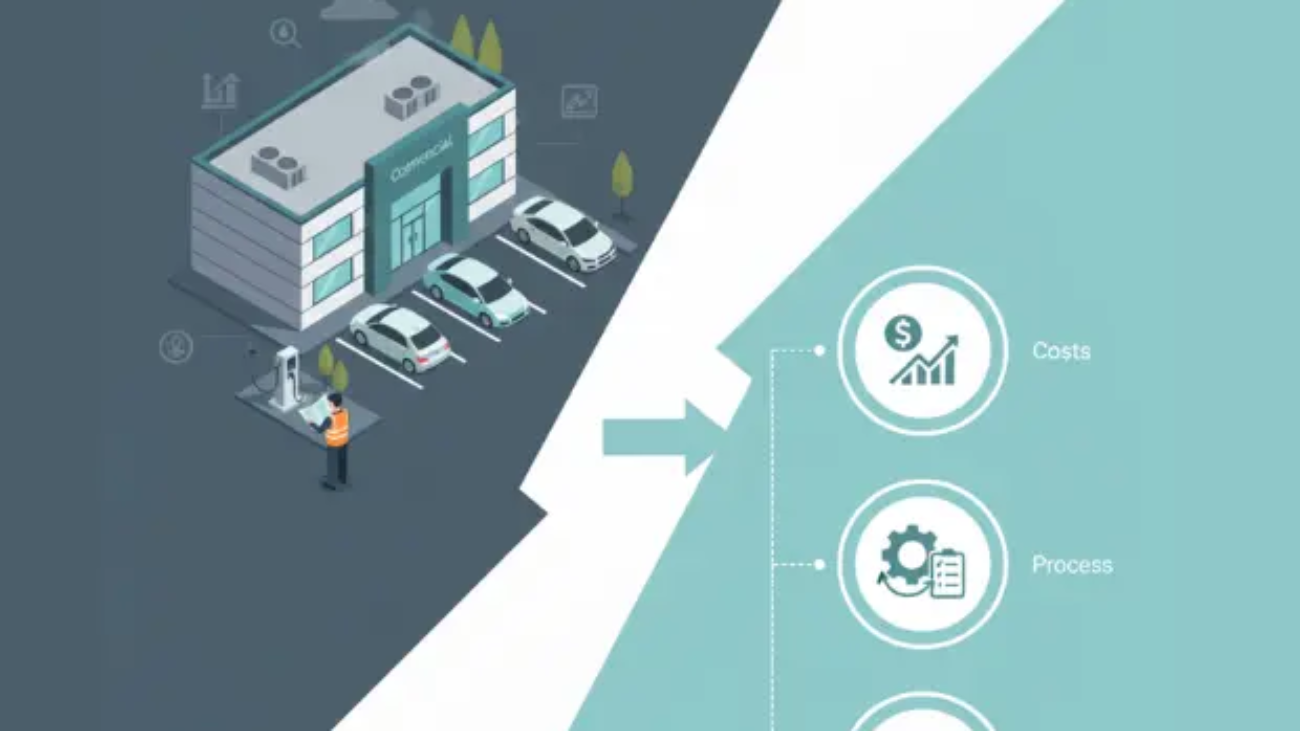
A Complete Guide to Commercial EV Charger Installation: Costs, Process, and Benefits

Key Takeaways:-

  • EV charger installation costs vary, but incentives reduce barriers, improving ROI.
  • Businesses attract eco-conscious customers by offering modern charging solutions.
  • Charging stations generate direct fees and boost customer spending.
  • Property value increases with future-ready infrastructure like EV chargers.
  • Early adoption secures competitiveness in the growing electric mobility market.
  • FAQs

The transition to electric mobility is reshaping the way businesses operate and the services they provide. With more drivers switching to electric vehicles, the demand for charging infrastructure has grown exponentially. For companies, installing charging stations is no longer just an optional sustainability measure. It has become a crucial investment that can generate revenue, improve brand image, and attract customers.

Importance of EV Charger Installation

Electric vehicles have become a common sight on roads worldwide. The shift is being driven by government policies, environmental awareness, and the financial savings EVs offer in the long term. However, the widespread adoption of electric vehicles depends heavily on charging infrastructure. Businesses that take the lead in offering charging facilities position themselves at the forefront of this transformation.

For commercial property owners, the decision to invest in charging stations is about more than convenience. It is a way to create new revenue opportunities, improve customer satisfaction, and show commitment to sustainability. This is where commercial EV charging station installation plays a pivotal role in shaping future growth.

Costs of Commercial EV Charger Installation

One of the first questions businesses ask is about the cost of installation. The total expense depends on several factors, such as the type of charger, the number of stations, electrical capacity, and site conditions. Basic Level 2 chargers typically cost less to install compared to fast DC chargers, but they serve different needs.

On average, the cost of installing a Level 2 charger ranges between a few thousand dollars, while DC fast chargers can cost significantly more, sometimes reaching six figures. Additional expenses may include electrical upgrades, trenching, permits, and software integration for payment systems. Despite these costs, many businesses find the investment worthwhile due to government incentives, rebates, and the long-term financial returns generated by increased customer engagement and usage fees.

Another factor influencing cost is scalability. Some businesses may start with a small number of chargers and expand as demand increases. This phased approach helps spread out costs while ensuring that future growth is manageable.

Process of Installing Commercial EV Chargers

The installation process involves several steps, each of which requires careful planning and execution. The first step is conducting a site assessment. Professionals evaluate the electrical capacity, parking layout, and potential customer demand. This ensures the system installed is both functional and future-ready.

After the site assessment, businesses must obtain permits and approvals from local authorities. These vary by region but generally cover safety, compliance with electrical codes, and, in some cases, zoning regulations. Once permits are secured, the electrical infrastructure is prepared. This may involve upgrading panels, installing conduits, or even adding transformers for higher-capacity systems.

With the infrastructure in place, the actual chargers are installed. They are then connected to the power source and tested for safety and performance. In addition, most modern systems include software platforms that allow businesses to monitor usage, set pricing, and control access. The final step involves inspection and approval by regulatory bodies to ensure everything complies with standards.

Benefits of Commercial EV Charger Installation

The advantages of investing in charging stations extend far beyond revenue generation. For businesses, the installation signals commitment to sustainability and innovation. Customers increasingly choose businesses that align with their environmental values. By providing charging facilities, companies show they are forward-thinking and customer-focused.

From a financial perspective, charging stations can create multiple revenue streams. Direct income comes from usage fees. Indirectly, businesses see higher customer spending, as drivers are likely to shop, dine, or stay longer while charging their vehicles. Over time, this increased engagement can significantly boost profitability.

Property owners also benefit by increasing the value and appeal of their locations. A commercial building equipped with charging stations is more attractive to tenants and buyers who are looking for modern, future-ready spaces. For hotels and retail outlets, the presence of chargers can directly influence a customer’s decision to visit or book.

Government Incentives and Support

Governments around the world are actively encouraging businesses to install charging infrastructure. Incentives range from tax credits and rebates to grants that cover a substantial portion of installation costs. These programs significantly lower the initial investment and make adoption easier for businesses of all sizes.

In many regions, utility companies also provide support in the form of discounted rates, infrastructure upgrades, or shared revenue models. By combining government incentives with utility support, businesses can make installation highly cost-effective and shorten the payback period.

Challenges and How to Overcome Them

While the benefits are clear, businesses may face challenges when considering installation. High upfront costs, uncertainty about future demand, and navigating regulatory requirements are common concerns. However, most of these challenges can be mitigated with careful planning.

Working with experienced installers ensures compliance and smooth execution. Exploring financing options, such as leases or partnerships, can reduce financial pressure. Furthermore, adopting scalable solutions allows businesses to start small and expand as demand grows.

Role of Technology in EV Charger Installation

Modern charging systems are more than just hardware. They incorporate advanced technology for management, monitoring, and customer interaction. Businesses can use software platforms to track usage data, manage pricing, and even integrate loyalty programs. These digital tools enhance the customer experience while giving businesses valuable insights for strategic decision-making.

Smart chargers also allow remote monitoring and diagnostics. This minimizes downtime and ensures reliability, which is crucial for maintaining customer trust. As technology continues to evolve, the capabilities of charging systems will only improve, offering businesses even greater flexibility and control.

Long-Term Outlook for Businesses

The adoption of electric vehicles is expected to grow rapidly in the coming years. For businesses, installing charging stations now is an investment in the future. It ensures competitiveness and relevance in a market where customer expectations are shifting quickly.

Over time, the presence of chargers will no longer be an optional service but a necessary feature, much like Wi-Fi in public spaces. Companies that invest early will benefit from first-mover advantages, such as brand loyalty and market leadership.

FAQs

How much does commercial EV charger installation cost?

Costs vary by charger type, site conditions, and infrastructure needs. Level 2 chargers are more affordable, while DC fast chargers require a higher investment. Incentives help reduce overall expenses.

What permits are required for installation?

Permits depend on local regulations, but typically include electrical compliance, safety approvals, and zoning clearances. Professional installers help streamline this process.

Do government incentives significantly reduce costs?

Yes, many governments offer rebates, tax credits, or grants that cover a large portion of installation costs, making adoption more financially accessible for businesses.

How do businesses benefit beyond revenue?

Apart from charging fees, businesses gain customer loyalty, improved sustainability reputation, and higher property value, ensuring long-term growth and competitiveness.

The shift to electric mobility presents immense opportunities for businesses willing to adapt. By investing in commercial EV charger installation, companies not only generate new revenue streams but also strengthen their brand, attract loyal customers, and prepare for a sustainable future. The costs involved are offset by incentives and long-term returns, while the process, though detailed, is manageable with the right partners.

Don’t wait to future-proof your business. Start your commercial EV charger installation journey today and unlock new revenue opportunities, attract eco-conscious customers, and increase property value. Take the first step toward a smarter, sustainable future now. Call us today at 778-347-3331 or email us to schedule your free consultation.